How we get an old appliance out of your Glendale home
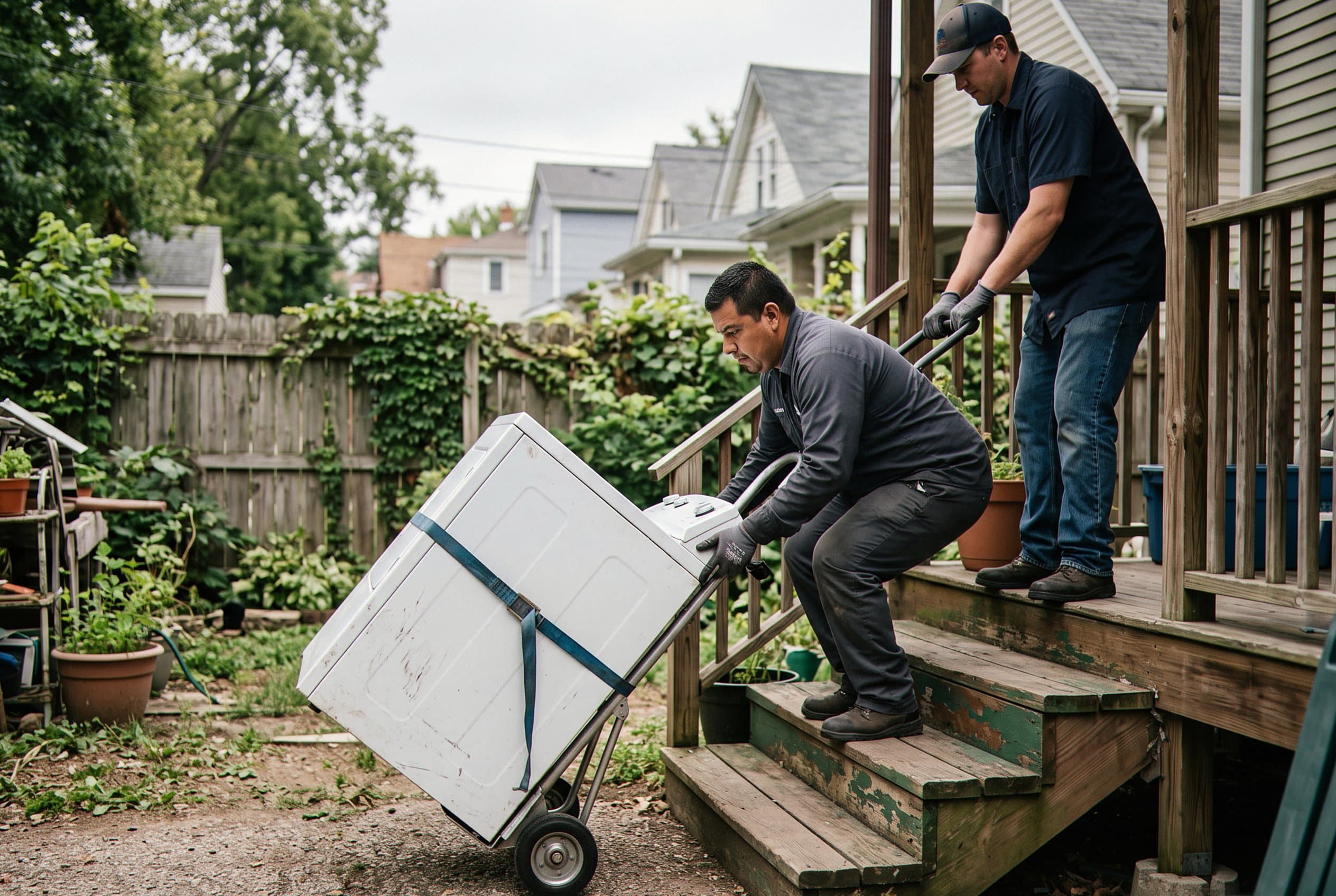
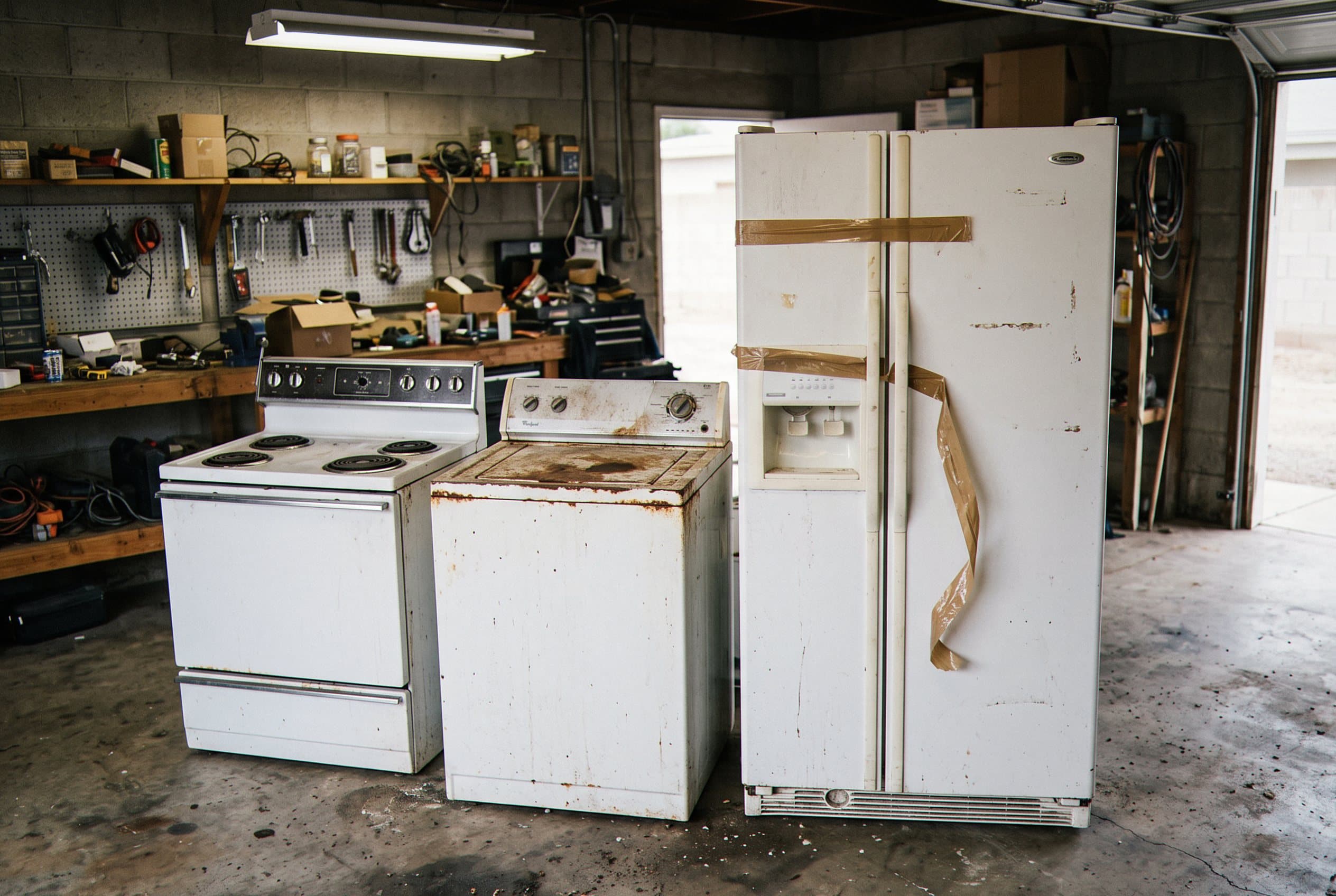
An old appliance has a way of becoming furniture. The dead dryer gets pushed against the garage wall, a laundry basket lands on top of it, and a year later it is still there. We hear that story a lot in Glendale, from the hillside streets above Kenneth Road to the apartment buildings near Brand Boulevard. The reason it sits is almost never laziness. It is heavy, it is awkward on a stair turn, and the trash truck will not take it at the curb with your regular bins. So we come get it. You point at the thing, and we do the lifting, the carrying, and the loading.
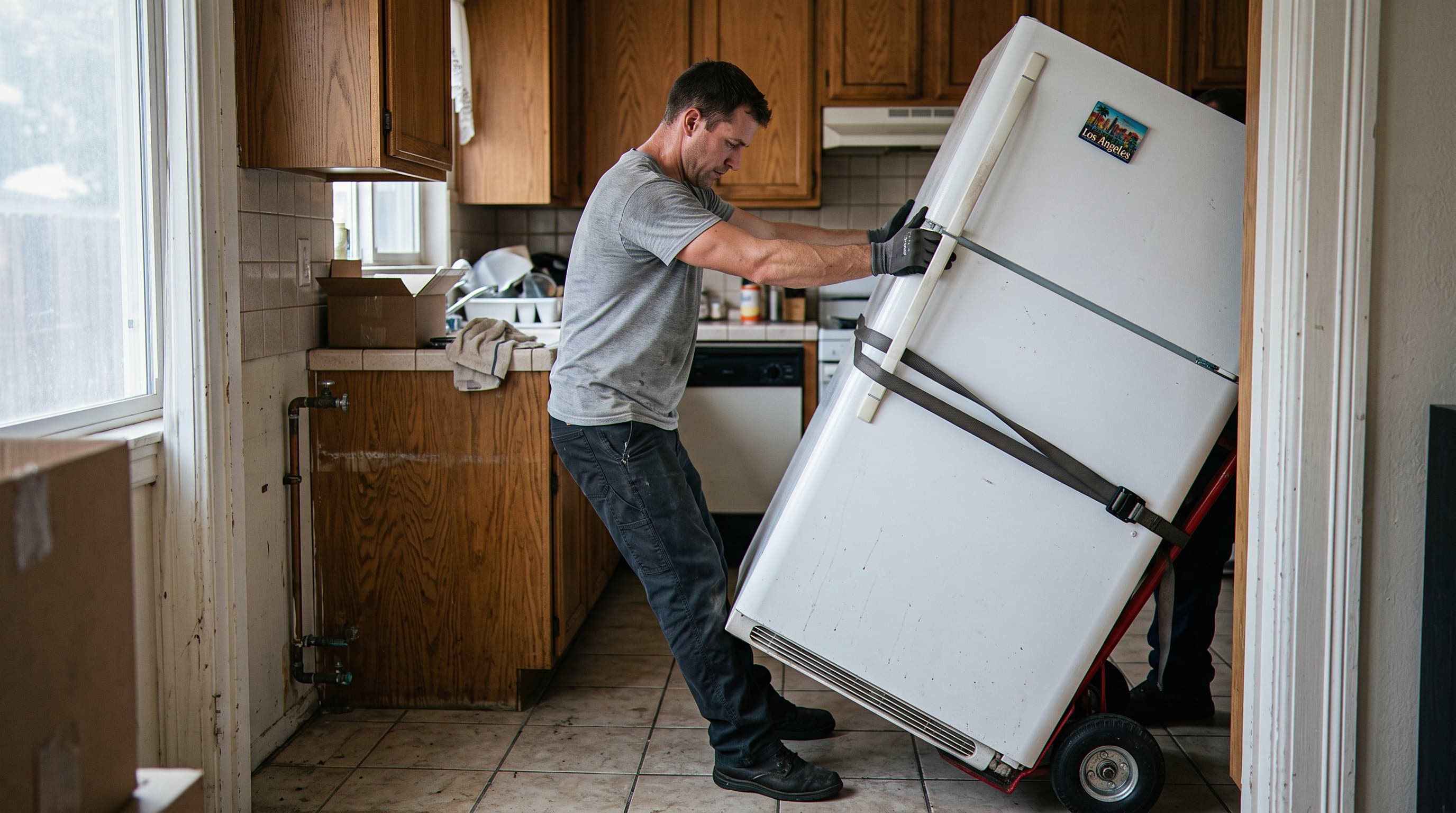
We start with a look at the path. A fridge in a second floor unit is a different job than a water heater in a side yard, and we would rather know that before we touch it. Our crew brings dollies, straps, blankets, and door pads. We pop a door off its hinges when the fridge is wider than the frame, and we put the door back when we are done. Narrow driveways and tight garages are normal here, so we plan the turns first. Nothing gets dragged across your floor.
- We do the lifting. You do not carry a washer down a flight of stairs or lose a fingernail to a fridge door.
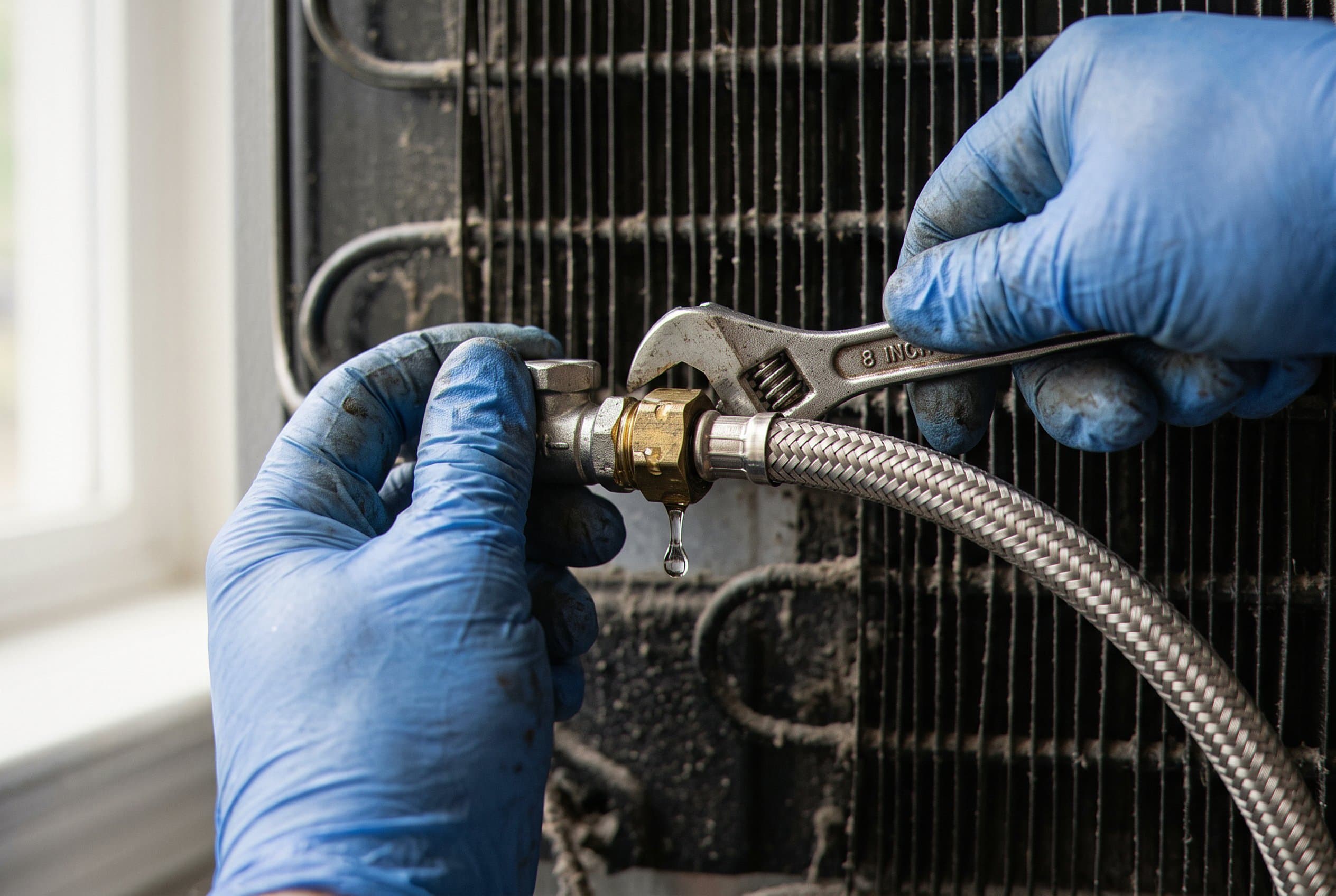
- We take the whole appliance, not just the pretty part. Hoses, cords, brackets, and the drip pan under it all go with us.
- Refrigerant units get handled the way EPA rules require, so the coolant is recovered before any metal is crushed.
- Metal, glass, and working parts get sorted for recycling instead of heading straight for Scholl Canyon.
- We sweep the spot before we leave. The floor under a fridge is usually the dirtiest square in the house.
Where the appliance ends up matters more than most people expect. A fridge, a freezer, or a window air conditioner holds refrigerant, and federal EPA rules say that coolant has to be recovered before the shell gets crushed. California treats it the same way. So we do not toss a fridge on a pile and walk off. Metal goes to scrap. Units that still have life in them get a second look first. Glass, plastic, and wiring get pulled apart where a recycler can actually use them. It costs us a stop or two, and it keeps a lot of steel out of the ground.
If the old unit is still standing in the kitchen, the garage, or the side yard, call us. Tell us what it is and where it sits. We will tell you what the job looks like and when we can be there. Most of the time we can get it out the same week, and often sooner. You clear the path, we clear the appliance.