Hot Tub Removal · Glendale

Hot Tub Removal in Glendale, CA

We drain it, cut it down, and carry every piece out of your yard. One visit, one truck, and a clear patio when we go.

Free Quote

Free Hot Tub Removal quote.

We reply within 1 business hour. No spam, ever.

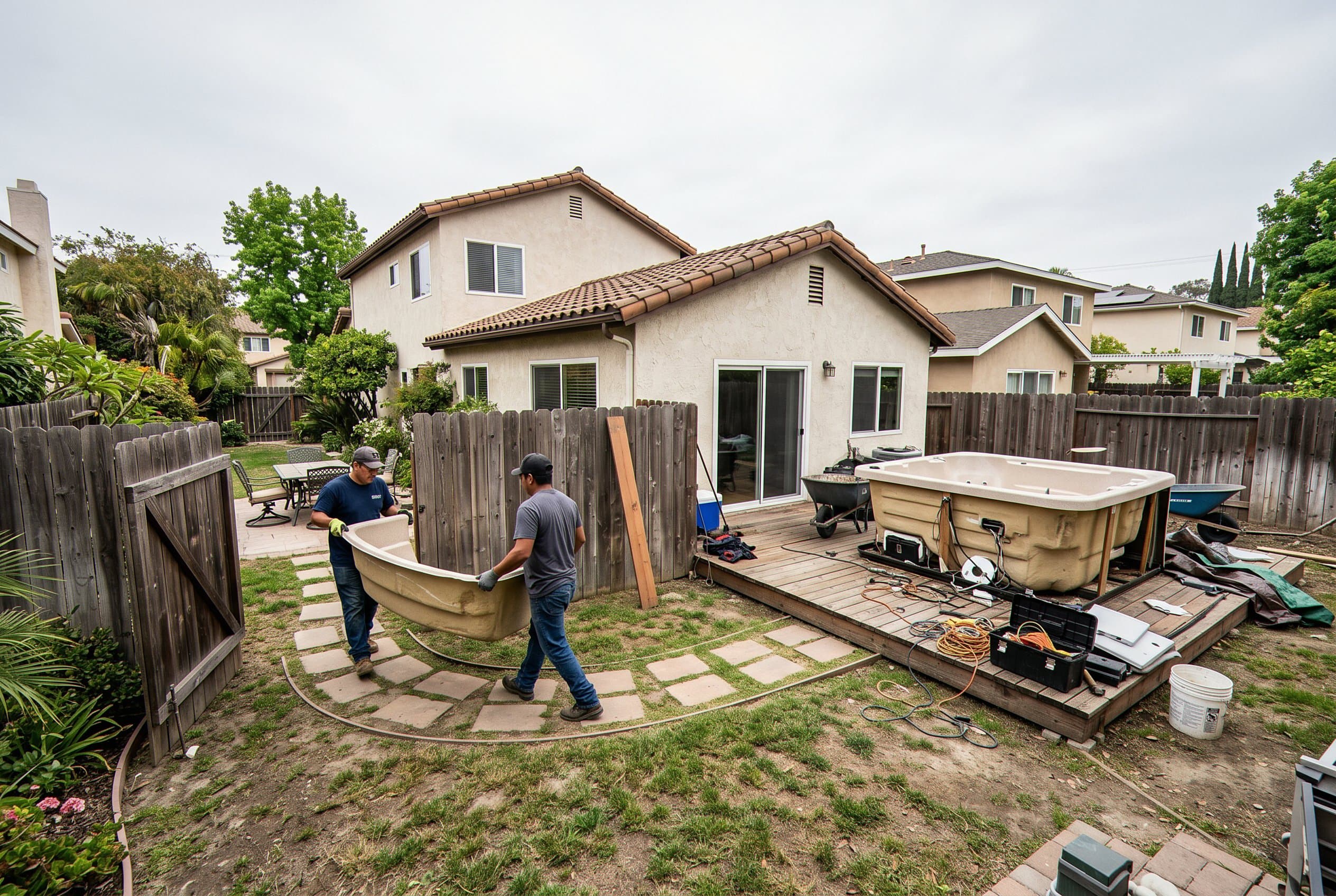
Wide view of a backyard hot tub removal
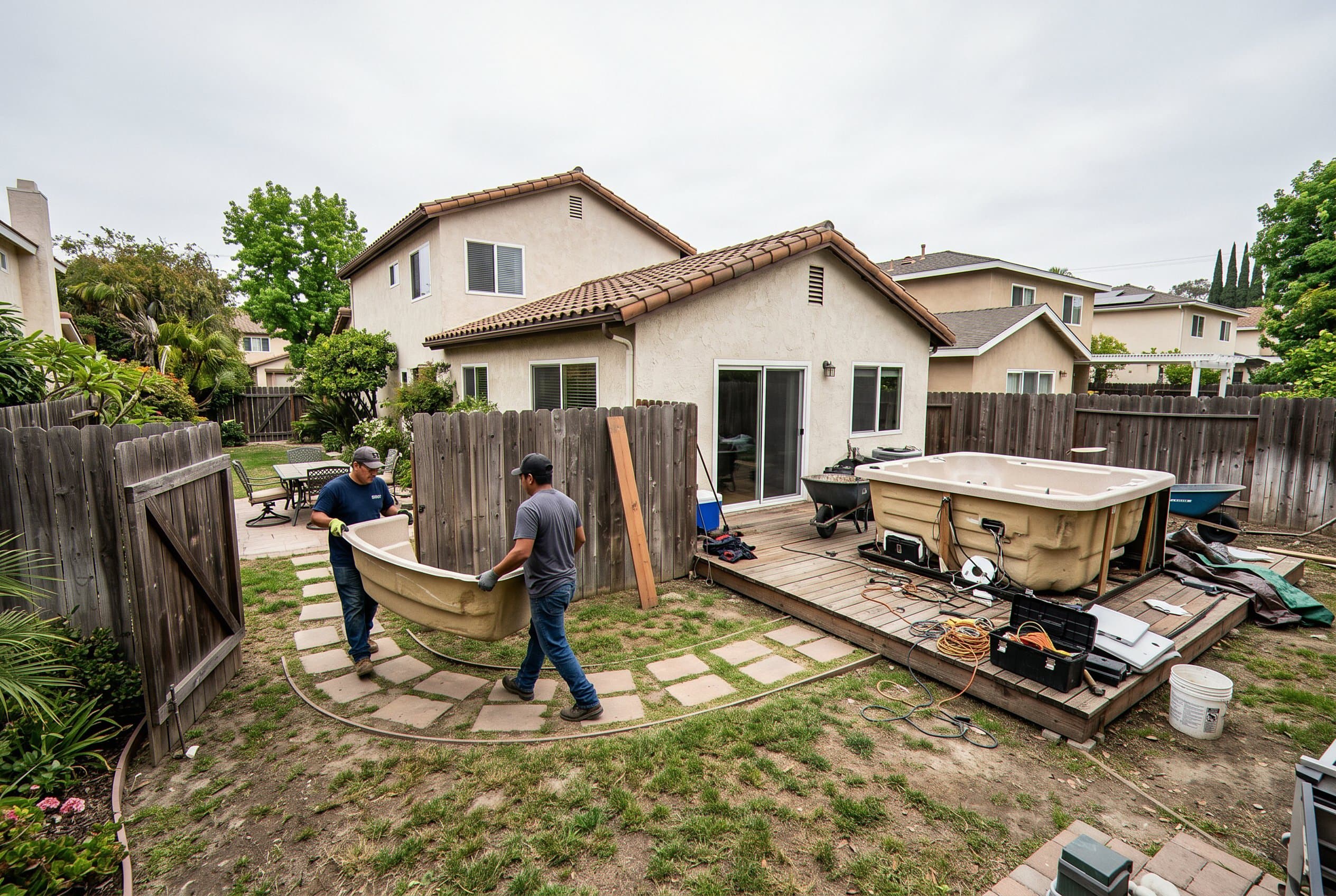
Empty backyard patio after hot tub removal
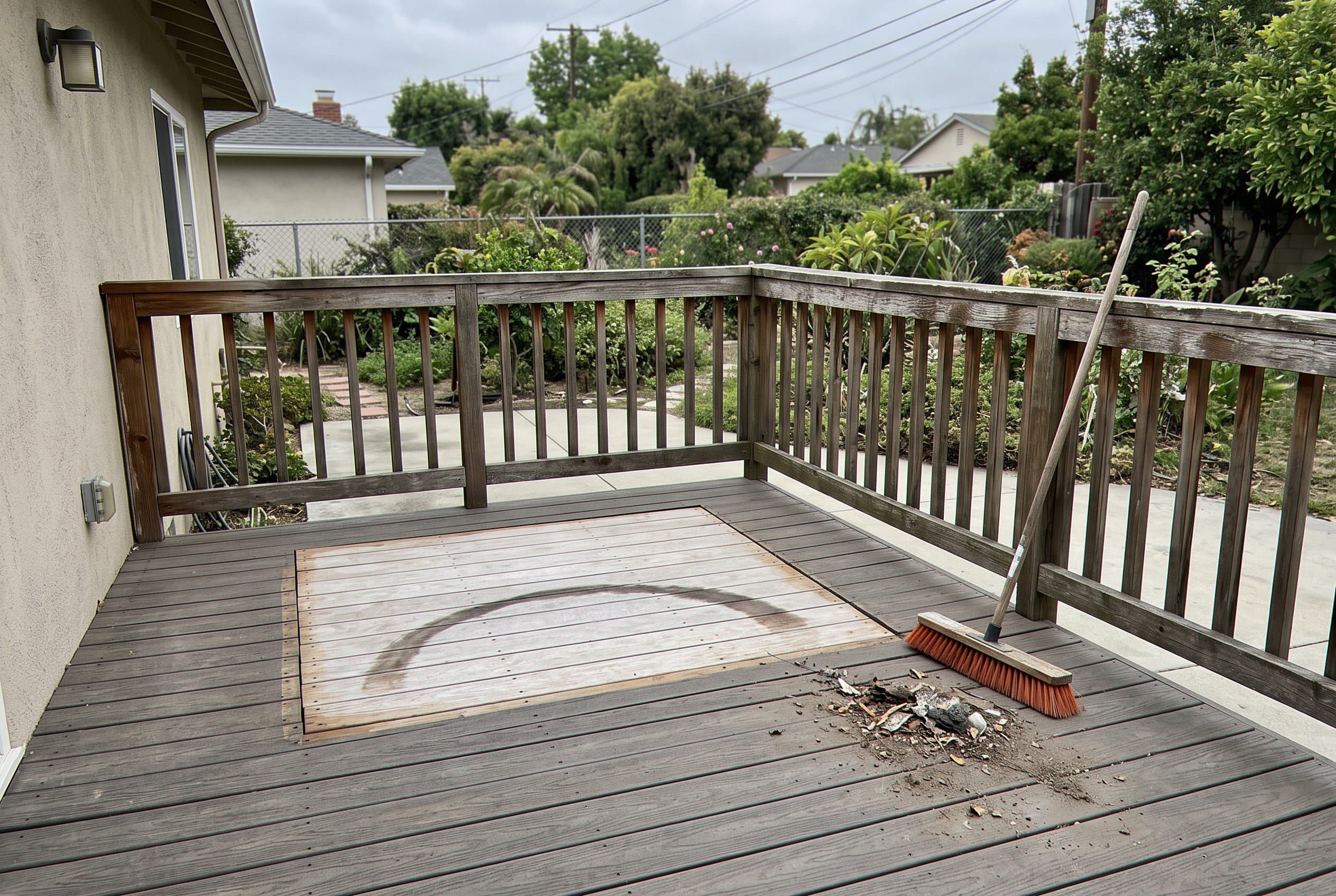
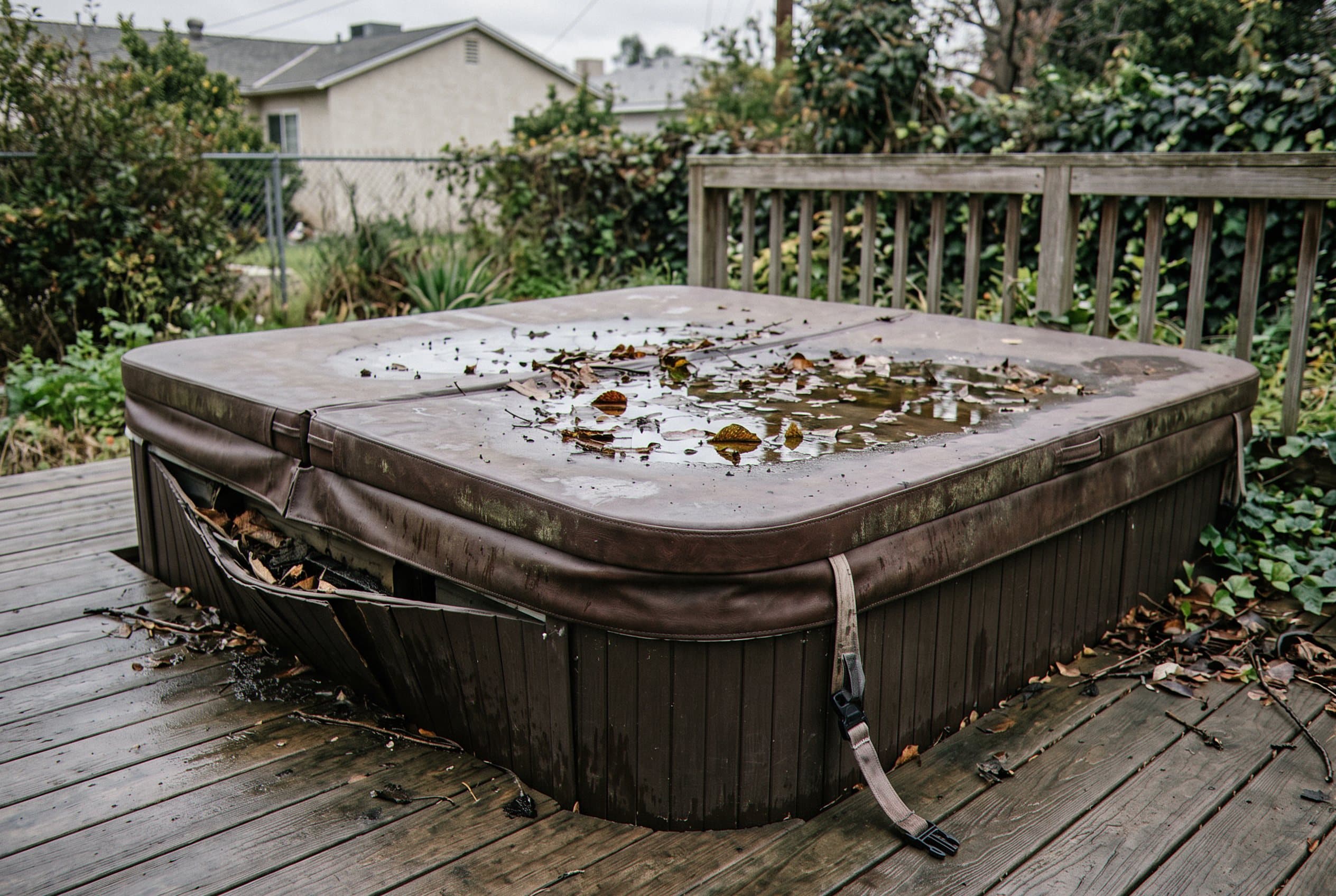
Old hot tub sitting in a backyard
What we install

We take the whole tub, not just the shell

A hot tub looks simple until you try to move one. It is bolted, foamed, plumbed, and heavier than it looks. Our crew starts by cutting the power at the breaker and draining the water where you point us, into a drain or down the driveway. Then the cabinet comes off, the shell gets cut into pieces we can carry, and the pumps and heater come out. Nothing gets dragged across your patio pavers. We work around tight gates and hillside steps all over Glendale, so a narrow side yard is not a problem.

Most of the tubs we pull out here sit on a back patio, a raised deck, or a slab that steps down into a canyon lot. Access is the whole job. We look at the gate, the stairs, the fence line, and the plants you care about before a saw comes out. If the tub can go out whole on a dolly, we take it whole. If it cannot, we cut it into panels small enough to walk through a standard gate. Either way, the pieces leave in our truck the same day we start.

  • We cut the tub down in place, so nothing gets dragged over your pavers, your turf, or your deck boards.
  • Water goes where you tell us, into a drain or down the driveway, never across a neighbor's slope.
  • Steel, copper, and the motor parts come out for scrap recycling instead of going straight to a landfill.
  • Tight Glendale side yards, hillside steps, and narrow gates are normal work for us, not a reason to walk away.
  • We sweep the pad once the tub is gone, so you can see exactly what you are working with.
The tub is the easy part. The gate, the steps, and the slope are the real job, and that is what we plan for first.

People ask us what happens to the tub after it leaves. The metal frame, the heater, the pumps, and the copper inside them go to a scrap yard. The acrylic shell and the foam behind it are not recyclable in any real way, so those go to a transfer station that takes bulky waste. The cover is usually waterlogged and heavy, and it goes with the rest. We would rather tell you that plainly than pretend a tub can be recycled whole. What we can control is how much of it gets sorted out before the last piece is thrown away.

If you are done staring at a tub you have not used in years, call us and tell us what is back there. We will ask about the gate width, the steps, and whether the power is still hooked up. Then we show up with the saws, the dollies, and the truck, and your patio is clear before we leave. One crew, one truck, one visit.
Materials

What is actually inside a hot tub

From the outside a tub is a box with a lid. Inside it is four things stacked together. There is the acrylic shell, a layer of fiberglass and sprayed foam behind it, a cabinet wrapped around the outside, and the equipment bay holding the pumps, the heater, and the control pack. The foam is the part that surprises people. It fills the space between the shell and the cabinet, wraps every plumbing line, and turns the tub into one solid block that weighs far more than the sticker ever said.

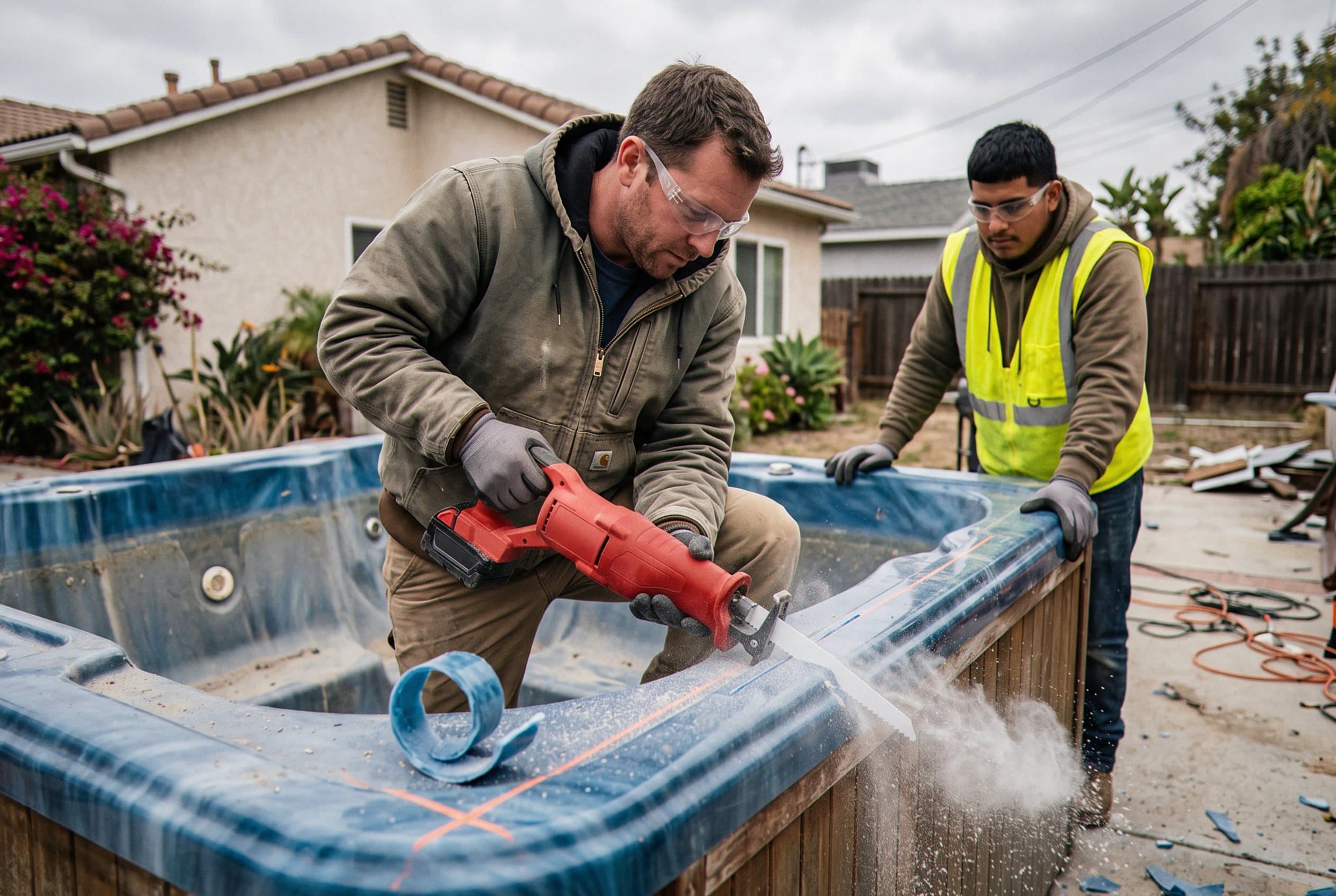
That is why a tub will not tip on its side and roll out like a fridge. Once we cut it, though, it comes apart in a way that makes sense. The cabinet panels lift off, and the equipment bay unbolts. The shell cuts into slabs a person can carry by hand. We sort the metal and the motors out as we go, because a scrap yard will take those and a landfill should not. The rest walks out in pieces sized for your gate.

  • An acrylic shell over fiberglass, packed behind with hard foam that grips it all.
  • A cabinet of cedar, redwood, or plastic, held on with screws and clips.
  • Pumps, a heater, and a control pack, each wired to a circuit of its own.
  • A soaked cover and a lifter arm, far heavier than they look.
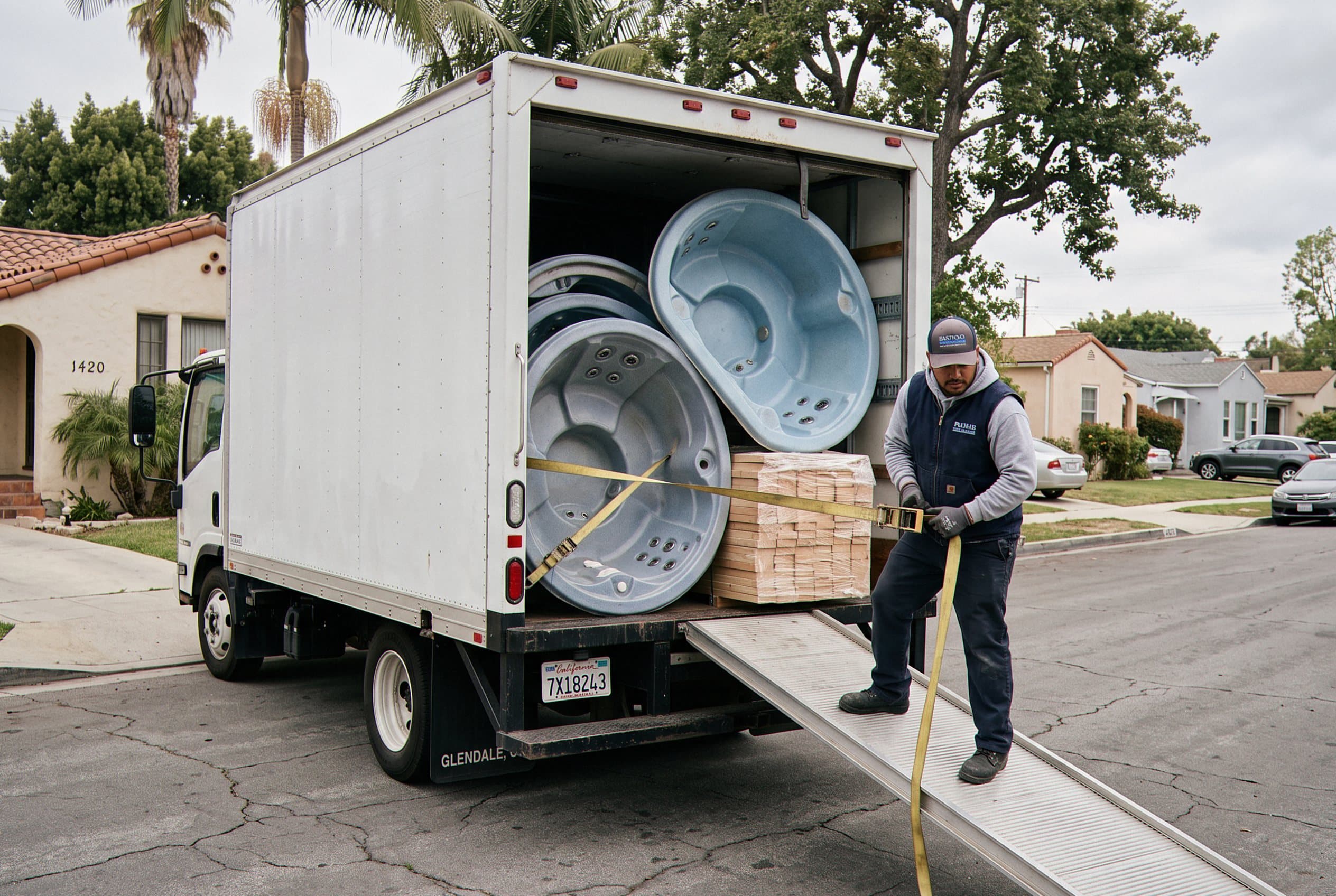
Hot tub panels staged at the curb
Crew cutting apart a hot tub shell
What about the alternatives?

Ways to get rid of a hot tub, and how each one really goes

There is more than one way to clear a tub out of a Glendale backyard. Some of them work. A few of them burn a whole weekend and still leave the tub sitting right where it was, so here is how each one tends to play out.

Full removal by our crew

We drain it, cut it, carry it out, and haul it off in one visit. You keep your Saturday, your fence, and your back.

Recommended

Selling a tub that still runs

If it heats and holds water, a buyer might show up with a trailer and take it. Plan for no shows. Be ready to help lift.

Acceptable

Handing it to a mover

Some movers will take a tub that still runs, because there is resale value in it. That only works when the tub works and the path to it is wide open.

Acceptable

Renting a dumpster and cutting it yourself

It can be done with a saw, gloves, and a helper. Expect a long day, fiberglass dust in your lungs, and a driveway tied up all week by a dumpster.

Acceptable

Curbside bulky pickup

Bulky pickup is built for a couch, not for a shell full of hard foam and steel. A whole tub left at the curb usually just sits there.

Skip

Leaving it dry in the yard for now

An empty tub fills with rain, leaves, and mosquitoes. The cabinet rots into the deck beneath it, and the job you skipped only gets heavier.

Skip
How it goes

From quote to walk-on, fast.

01

Your inquiry

Call or send the short form with what is going on at your place. A sentence or two is plenty for the first step.

02

We talk it through

We go over the situation on the phone, ask the questions that matter, and tell you what we would do next.

03

A clear plan

You get a plain-language rundown of the work, the order it happens in, and what to expect on the day.

04

The work gets done

Our crew shows up when we said, does the job, and walks you through the result before leaving.

Before you book

Straight answers before we roll up

These are the questions people ask us on the phone, so here they are up front, answered the way we would answer them standing in your driveway.

Do I have to drain the tub before you get here?
No. If you want to run a hose off it ahead of time, that helps and it saves us a few minutes. If it is still full when we get there, we bring a pump and put the water where you point us. We keep it off the slope and out of a neighbor's yard.
What about the wiring? It is hooked to a breaker.
Shut the breaker off before we start, and leave it off. Most tubs run to a small disconnect box on the wall nearby. We pull our end free and leave that box and the wire capped and safe. If you want the circuit taken all the way out of the panel, have an electrician handle that part.
My gate is narrow and the tub sits up on a deck. Is that a problem?
That is most of Glendale. Hillside pads, tight side yards, and steps up to a patio are normal for us. We cut the tub into pieces that fit the path we actually have, not the path we wish we had. Tell us the gate width when you call and we plan the cuts before we arrive.
How long does the whole job take?
A standard tub on an easy path runs a couple of hours from the first cut to a swept pad. A big one behind a locked gate and up two flights of steps takes longer. We tell you what we see when we see it, and we do not stretch the clock.
Will you wreck my deck, my pavers, or the fence?
That is exactly why we cut instead of drag. Nothing heavy slides across your surface. We lay protection down on the path, carry the pieces out by hand, and we would rather make one more cut than force a panel through a gate.
What is left when you drive away?
An empty pad, a swept surface, and whatever the tub was hiding. Usually that means a stained slab or a dark patch of deck boards, plus a stub of conduit at the wall. We walk you through all of it before we drive off, so nothing is a surprise later.
Aftercare

What to do with the space once the tub is gone

This is the part people forget to plan for. A tub leaves a footprint, and it is rarely pretty. The slab under it may be stained or cracked, and deck boards that lived under a tub go dark and soft, because they never got a chance to dry out. There will be a capped wire and a stub of conduit at the wall. Sometimes there is a drain line running nowhere. None of it is hard to deal with. It is just far easier to deal with in the week after we leave than a year later, once you have stopped seeing it.

  • Let the pad dry in the sun for a few days before you call a stain real damage.
  • Have an electrician pull the dead circuit from the panel if nothing is going back in that spot.
  • Check the deck boards that sat under the tub, and swap out any that feel soft.
  • Cap the water line you ran out there, so it does not sit and leak behind a wall for a season.
  • A bare slab takes paint, an outdoor rug, or a row of planters better than most people expect it to.
  • Photograph the empty pad with a tape measure in the shot, in case a shed or a table lands there later.
Wide shot of a backyard before hot tub removal
FAQ

Hot tub removal questions we get in Glendale

Ready when you are

Let's make your next steps easier

Tell us what is going on at your Glendale home and we will walk you through the options. One call or one short form is all it takes.

Call (747) 307-5650Make your inquiry
CallContact us